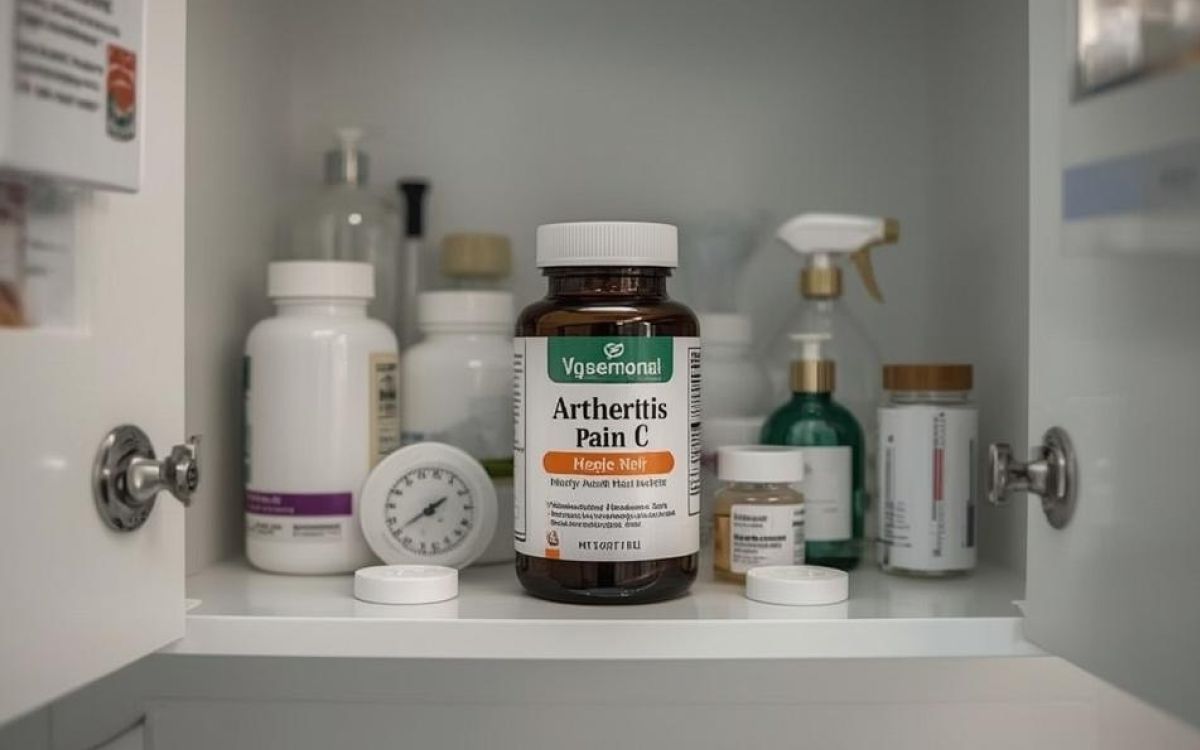
When prescribed medication is given to you, it comes with specific storage instructions that are often overlooked. These instructions are crucial for maintaining the efficacy and safety of the medicine. Improper storage can degrade the quality of a medicine, making it less effective or even dangerous. In this article, we explore why following storage guidelines is important, how improper storage can impact medicine safety, and tips to ensure your medications stay safe and effective.
Why Storage Instructions Matter
Storage instructions on prescriptions are not arbitrary. They are designed to protect the medicine’s active ingredients and ensure that it works as intended. Factors such as temperature, humidity, and exposure to light can significantly affect the chemical structure of a medication. Medicines, whether in the form of tablets, liquids, or creams, are carefully formulated to work in specific conditions. If these conditions are altered, it can reduce their effectiveness or cause unwanted reactions.
For example, certain antibiotics or vaccines must be kept in a cool environment to maintain their potency, while others may need to be stored in dry conditions to avoid moisture contamination. Following these guidelines ensures that the medicine remains safe for consumption, preventing possible health risks from degraded or compromised products.
Common Types of Storage Instructions
Pharmacies and healthcare providers typically include storage instructions on medicine labels, which may be found on the packaging or accompanying information sheets. The most common types of storage instructions include:
- Temperature Control: Many medicines need to be stored at a specific temperature to avoid degradation. Some must be kept at room temperature, usually between 15°C and 30°C, while others, like insulin or certain vaccines, require refrigeration (2°C to 8°C). Exposing these to higher temperatures can lead to a loss of potency or cause harmful breakdown products to form.
- Avoiding Moisture: Moisture can affect the stability of several medications, particularly tablets and powders. Storing them in humid conditions can cause the tablets to dissolve prematurely or lead to clumping, making them less effective or difficult to consume. Always store medicines in a dry place, away from bathrooms or areas prone to high humidity.
- Protection from Light: Some medications, especially those in liquid form, may be sensitive to light and should be stored in dark containers or kept in a place away from direct sunlight. UV light can degrade the active ingredients, leading to reduced effectiveness.
- Sealed Containers: For certain medicines, particularly powders or capsules, keeping the container tightly sealed is vital. This prevents air from entering and moisture from contaminating them. Loose containers can lead to contamination, rendering medicines unsafe.
The Risks of Improper Storage
Failing to follow storage instructions can have serious consequences on the effectiveness and safety of a medication. Here are a few common risks:
- Reduced Potency: Storing medicines at the wrong temperature or exposing them to moisture or light can reduce their potency. For example, antibiotics that are improperly stored may not work as effectively, leading to incomplete treatment or antibiotic resistance.
- Toxicity: In some cases, improper storage can cause a medicine to break down into potentially toxic substances. For example, certain expired or improperly stored painkillers can lead to adverse side effects, such as kidney damage, rather than providing relief.
- Increased Side Effects: When medications degrade due to improper storage, they may not provide the expected results. For instance, a cough syrup that has been exposed to high temperatures might not work as effectively, leading you to take more than prescribed to achieve relief, which could increase the risk of side effects.
- Contamination: Some liquid medicines or creams can become contaminated if left uncovered or improperly sealed. Exposure to air or water can lead to bacterial growth or other contaminants that may make the medication unsafe for use.
Practical Tips for Storing Medications Safely
To ensure that your medications remain effective and safe, here are some practical tips for storing them properly:
- Read the Label: Always check the storage instructions on the medication label before use. The label will provide crucial information about temperature requirements, moisture sensitivity, and whether the medicine needs to be kept in its original packaging.
- Use a Cool, Dry Place: Most medications should be stored in a cool, dry place away from direct sunlight. A cupboard or drawer away from the kitchen or bathroom, which are often humid, is an ideal choice. Avoid placing medicines on windowsills, which may expose them to heat and light.
- Refrigeration When Needed: If the medicine requires refrigeration, ensure it is stored within the recommended temperature range. Use a thermometer in your refrigerator to check the temperature regularly, especially if there is a power outage.
- Sealed Containers: Always ensure that medicine bottles, especially those containing tablets, capsules, or liquid formulations, are properly sealed after use. This helps prevent moisture and contaminants from entering the container.
- Keep Medications Out of Reach of Children: Always store medicines in a secure place, away from children’s reach. Accidental ingestion of expired or improperly stored medicines can be harmful, particularly in the case of medicines that may have lost their efficacy or become toxic.
The way medicines are stored plays a crucial role in maintaining their safety and effectiveness. Following the instructions ensures your medications work as intended and remain safe for consumption throughout their shelf life.